COLCO CULTURAL HERITAGE MANAGEMENT
Service

Aboriginal Heritage Due Diligence Assessment (NSW)

Often the first and only heritage step a development needs — and the cheapest way to find out where you stand.
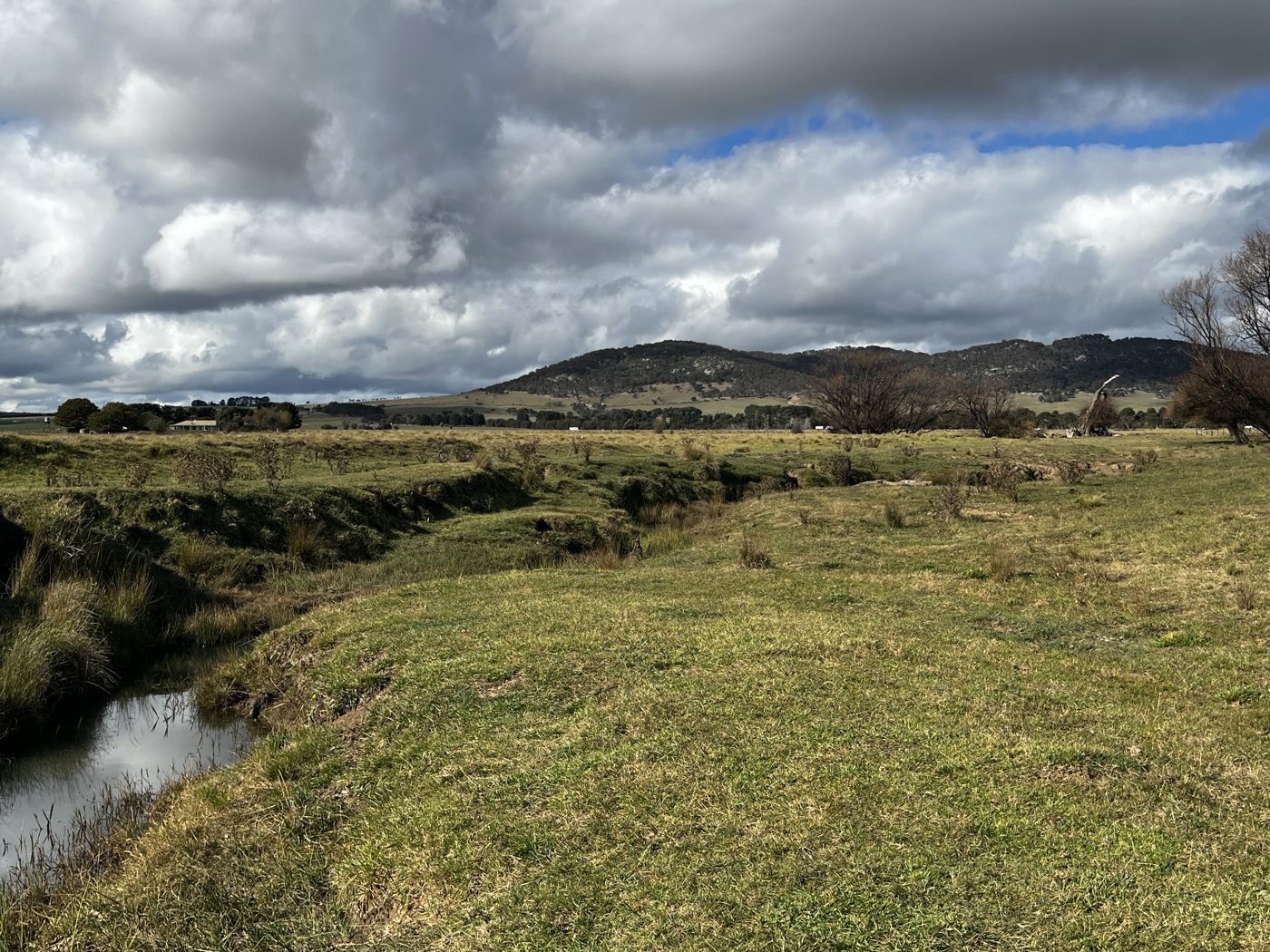
A due diligence assessment is the NSW-specific first step — under the NSW Due Diligence Code of Practice (2010) — for determining whether Aboriginal objects are likely on your site and whether you need an Aboriginal Heritage Impact Permit (AHIP). It sits within the broader process of Aboriginal cultural heritage assessment, and following the Code gives you a statutory defence against unknowingly harming Aboriginal objects.
A creek-side landform of the kind the Due Diligence Code associates with Aboriginal objects, capital region NSW

When do you need one?

Councils frequently require a due diligence assessment where their LEP, DCP or Aboriginal heritage sensitivity mapping flags potential. It’s also simply good risk management: harming an Aboriginal object without an AHIP is a strict-liability offence under the National Parks and Wildlife Act 1974, and the due diligence process is the recognised way to manage that risk.

What the assessment involves

What you get

A concise, defensible report you can lodge with your DA, written by a PhD archaeologist who knows how assessors read them. If the answer is “you’re clear,” you’ll have the evidence to show it. If it isn’t, you’ll get a straight account of what’s required next — no padding.

Discuss your project See how the process works

Common questions

How much does an Aboriginal due diligence assessment cost?

Cost depends on site size, location and whether a field inspection is needed, but a due diligence assessment is the lowest-cost heritage step and far cheaper than an ACHAR. COLCO scopes the work up front so you have cost certainty before committing. Contact us for a fixed quote.

How long does it take?

A straightforward due diligence assessment is typically completed within a couple of weeks, subject to the AHIMS search turnaround and site access. Complex or larger sites take longer.

Is a due diligence assessment always enough?

Not always. If it finds that Aboriginal objects are present or likely and will be harmed, you will generally need an Aboriginal Cultural Heritage Assessment Report (ACHAR) and possibly an AHIP. The due diligence step tells you which path applies.

Heritage on your project? Get an honest read before it costs you time.

Speak with the COLCO team, led by Dr Sophie Collins — senior heritage expertise for the capital region. Canberra-based, servicing the ACT and NSW.

Request a consultation